Textile education · Bedding
How to Read Organic Bedding Certifications: A Naturepedic Guide
A considered bedding label should tell you more than a story about purity. It should help you understand what a product is made from, how its materials were processed, and which parts of its supply chain have been independently assessed. Here’s how to read organic claims with clarity—and how to evaluate certification information when comparing Naturepedic bedding.
Published October 30, 2026
In the language of home textiles, “organic” can sound like a complete answer. In practice, it is the beginning of a better question: organic according to which standard, applied to which material, and verified for which stage of production? A fitted sheet may be made from organic fiber, while its dyeing, finishing, sewing, or final product certification is described separately. Those distinctions matter because a bedding supply chain is not one step but many.
For readers weighing organic bedding, the label is most useful when it is specific. Look for the name of a recognized standard, a certification mark used in the correct context, and a clear connection between the claim and the item being considered. Product descriptions can provide helpful details, but broad phrases such as “natural,” “clean,” or “eco-conscious” are not interchangeable with third-party certification.
This guide explains the role of GOTS certification, offers a practical way to review Naturepedic bedding claims, and sets out the questions that help separate documented standards from general sustainability language. It is not a substitute for checking current certification records: product ranges and certification scopes can change, and a claim should always be confirmed against current documentation.
First, distinguish the fiber from the finished bedding
Organic fiber is a starting point, not a complete description of a finished sheet or duvet cover. A textile passes through several stages: agricultural production, fiber preparation, spinning, weaving or knitting, dyeing and finishing, cutting, sewing, and distribution. Different standards may address different portions of that journey. A statement about organic flax, for instance, describes the fiber source; it does not automatically tell you how every later process was managed.
That distinction is particularly important in bedding, where consumers often encounter a cluster of claims in a single paragraph. A product might be described as made with organic cotton or flax, produced in a certified facility, free from certain substances, and packaged using recycled or reusable materials. These details may each be relevant, but they are not necessarily verified by the same program. Read each claim on its own terms rather than allowing one certification to stand in for every other attribute.
It also helps to separate material claims from process claims. “Made with organic flax” concerns the fiber. “Certified organic textile” may refer to a broader standard and defined chain of custody. A statement about a finish, such as a plant-based softener, describes a particular treatment. The language should specify what it means; if it does not, seek the underlying product information or certification detail.
What GOTS certification can tell you
The Global Organic Textile Standard, commonly abbreviated to GOTS, is a textile standard designed to cover more than the cultivation of organic fiber. Its requirements address organic material content and relevant environmental and social criteria across defined processing stages. This wider perspective is why GOTS is frequently discussed in connection with organic bedding: it can offer a framework for assessing a textile supply chain rather than merely describing the origin of a crop.
Still, “GOTS” is not a magic word that answers every question about a product. The scope of certification matters. Certification applies to defined entities, products, processes, and supply-chain arrangements; it should not be assumed to cover an entire company, every item in a collection, or every stage from farm to home unless the documentation says so. A finished product claim should be linked to the appropriate certificate or other current verification, not inferred from a general brand statement.
For a shopper, the practical task is to connect three pieces of information: the product, the claim, and the certifying framework. Check whether the product page identifies the standard, whether the certification is presented as applying to the finished textile or to a particular stage, and whether the seller can point to current supporting records. When a label gives a certificate number or names a certifier, use those details to seek confirmation through the relevant certification organization or the brand’s documentation.
Standards can be revised, certification scopes can change, and a product listing can remain online after details have been updated. For that reason, verify the current version of the claim at the time of purchase. An old certificate, a logo without context, or a statement copied across a whole category may not establish the status of the exact item in your basket.
A refined way to read a bedding label
Rather than scanning a product page for a single reassuring word, read it in layers. Start with the material composition, then move to the certification, production details, construction, and care guidance. The result is a more complete understanding of what the textile is—and what the label does and does not promise.
- Identify the fiber. Is the item linen made from flax, cotton, or a blend? Does the description state a percentage, such as 100% organic flax, or use a less precise phrase such as “organic linen feel”?
- Find the named standard. Look for the full name of a certification, not only terms like “green,” “responsible,” or “non-toxic.”
- Clarify what is covered. Does the claim concern the raw fiber, a processing facility, the finished textile, or the product as a whole?
- Check the exact item. Confirm that the certification information applies to the specific sheet set, pillowcase, or duvet cover—not simply to a brand or a different item in the same collection.
- Review the supply-chain details. Fiber origin, weaving location, and finishing information are useful context. They do not replace certification, but they help make a product description more transparent.
- Look for current verification. Ask whether supporting records are available and whether they remain valid for the product and production period in question.
- Read the care instructions. Washing and drying guidance affects longevity. Certification is one consideration; responsible ownership also means caring for the textile in a way that helps it last.
This approach is practical, not adversarial. A well-written product page should make material and certification information easy to find. If a claim is unclear, asking for clarification is a reasonable part of making an informed decision.
Evaluating Naturepedic bedding: the right questions
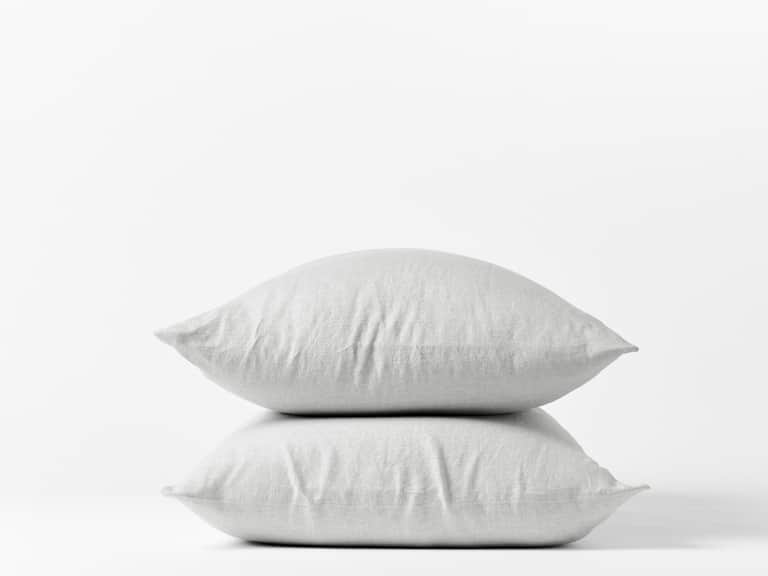
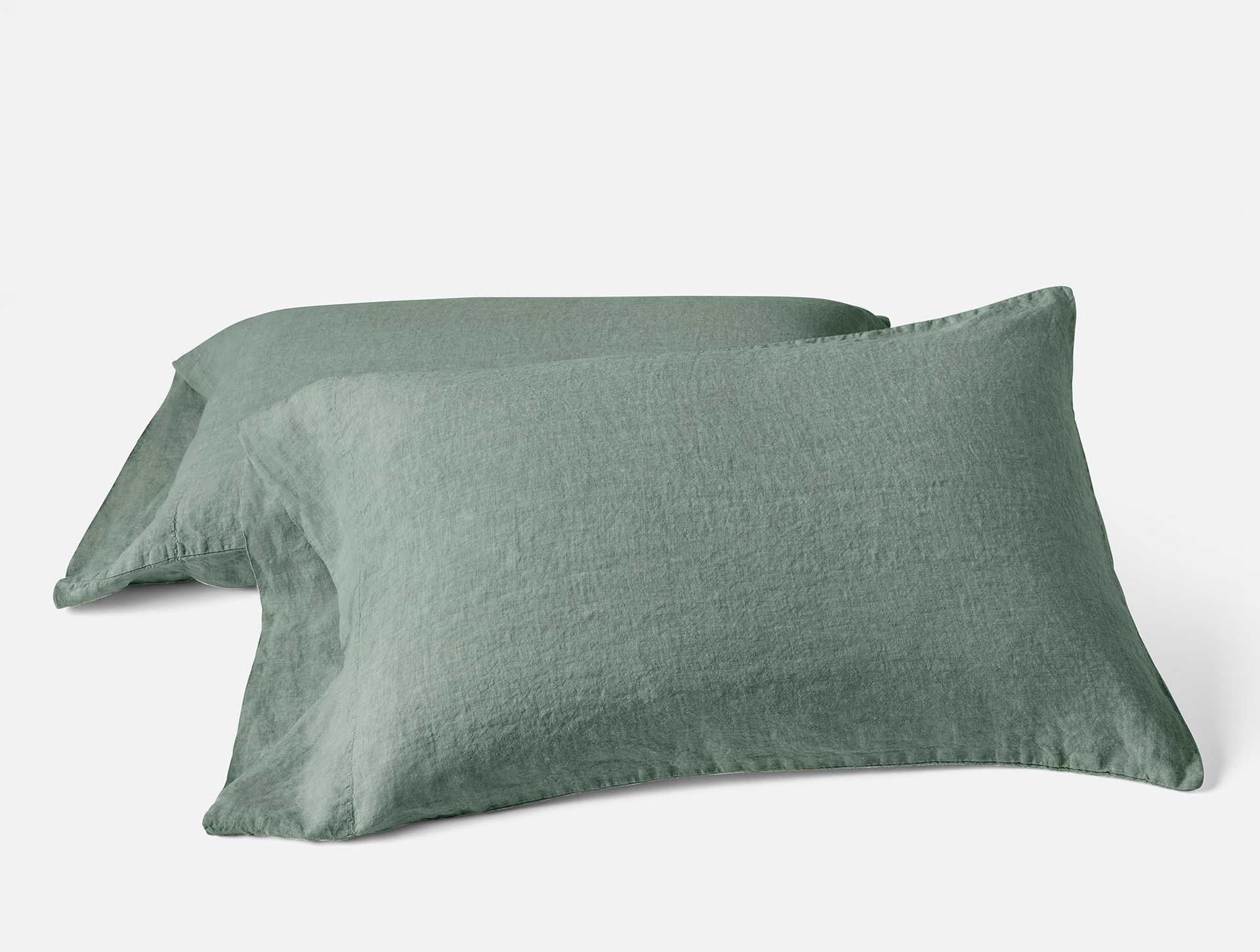
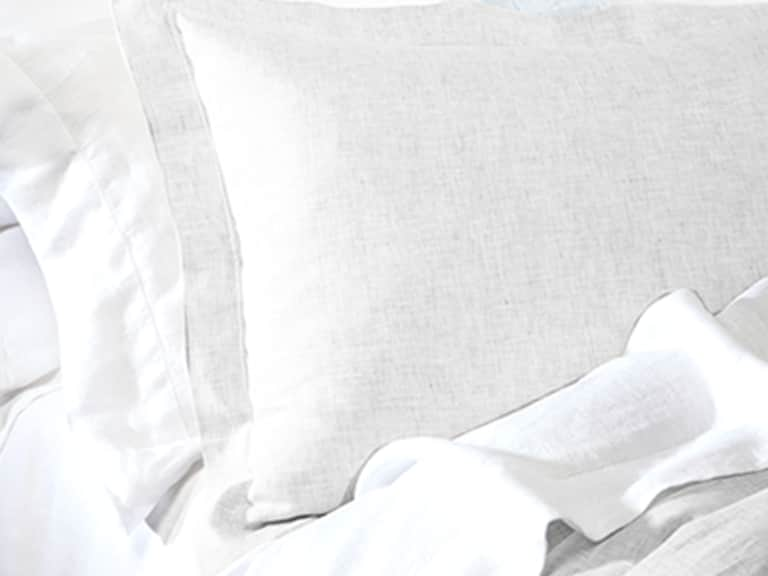
Naturepedic’s bedding information includes organic material and certification claims for particular products. For example, its product descriptions identify the Naturepedic Organic Linen Sheets as GOTS-certified organic flax/linen, and the Naturepedic Organic Linen Duvet Cover Sets as made from GOTS-certified organic flax/linen. The listings also describe French-grown flax and production in a GOTS-certified facility in India. These are useful details to begin with, but readers should still confirm that the current certificate and its scope correspond to the precise product and claim.
When reviewing a Naturepedic product page, consider asking the following:
- Which exact component is certified? Is the claim attached to the fabric, the finished bedding item, or a manufacturing facility? Do not assume these have identical meanings.
- What is the fiber content? Is the product described as 100% organic linen or as an organic blend? The material composition should be clear and consistent with the certification claim.
- Where are the fiber and textile produced? A stated growing origin and weaving or manufacturing location can help you understand the supply chain. Origin alone, however, is not proof of certification.
- Can the certification be verified? Look for current supporting documentation, certificate details, or a route to confirm the claim with the relevant certifier.
- Does the claim apply to the selected size or variant? A collection may include multiple materials, colors, or product types. Check the specific item rather than assuming all variants share the same status.
- What do the care instructions say? The linen bedding listings specify washing and drying guidance. Follow the instructions supplied for the particular item, since finishes and construction can differ.
Product descriptions can be an excellent first source, but they are not a replacement for current certification records. If a detail is important to your decision—such as whether a finished duvet cover is covered by a standard—ask the seller or brand to clarify the precise scope. A clear answer should distinguish the certified material or process from any separate claims about comfort, durability, or environmental impact.
Certification is not the same as a comfort guarantee
Organic certification tells you about specified materials and processes; it does not prescribe the exact sensation of a sheet against the skin. Two certified textiles can feel markedly different because of fiber characteristics, yarn, weave, fabric weight, finishing, and laundering. Linen, for example, is valued for its textured hand and relaxed drape, while cotton percale is often chosen for a crisp, matte feel and cotton sateen for a smoother surface. Those are textile and construction distinctions, not certification rankings.
Nor should a certification be interpreted as a promise that a textile will prevent allergies, improve sleep, or deliver a particular health outcome. Such outcomes depend on individual circumstances and are not established simply by a fiber or certification label. If you have a specific sensitivity or health concern, review the product’s full material and finish information and consult an appropriate professional as needed.
Similarly, “organic” does not automatically mean that a product has a lower impact in every respect. Environmental considerations can include farming practices, water and energy use, processing, transport, durability, and how long the item remains in use. Certification offers structured evidence within a defined scope; it is not a complete life-cycle assessment unless the relevant documentation specifically provides one.
Recognize the difference between a standard and a slogan
General language can create an impression of environmental responsibility without identifying a measurable requirement. “Earth-friendly,” “pure,” “conscious,” and “clean” may be meaningful to a company’s brand voice, but these terms alone do not tell a reader which rule was followed or who verified it. They should not be treated as synonyms for a named, independently administered textile standard.
A stronger claim is specific enough to test. It identifies the material, names the standard, and explains the scope. If the page says only “organic,” ask whether it means the agricultural fiber, the textile, or the finished item. If it mentions a facility certificate, ask whether the product itself is included. If a label uses a certification mark, confirm that the mark is being used in a context permitted by the relevant program.
This is not a demand for every product page to become a technical dossier. It is a request for proportionate clarity. An elegant bed can be built on both aesthetic judgment and informed sourcing; the two are not in opposition. Good information simply makes it easier to understand what is behind the finish.
A concise checklist before you decide
When comparing organic bedding, keep this short checklist close:
- Read the full fiber composition rather than relying on the product name.
- Note the named certification and determine what stage or item it covers.
- Match the claim to the exact product, size, color, and material variant.
- Check whether current certificate information is available and verifiable.
- Treat fiber origin, manufacturing location, and finishing details as helpful context—not as substitutes for certification.
- Separate certified facts from broader comfort, health, or sustainability language.
- Review care instructions and choose a routine that supports the textile’s useful life.
Applied to Naturepedic bedding, this means using the product’s stated GOTS and organic-flax information as a starting point, then confirming the current scope for the exact item you are evaluating. A certification is most valuable when its meaning is legible: what was assessed, by whom, and in relation to which product or process.
The most meaningful label is the one you can understand
Organic bedding certifications can bring welcome structure to a crowded landscape of material claims. GOTS is one recognized framework consumers may encounter, but the name alone is not the whole story. The important details are scope, traceability, and a clear link between the certification and the product in hand.
With Naturepedic or any bedding maker, take the same measured approach: identify the fiber, read the exact wording, verify the current standard, and ask what the certification covers if the answer is not obvious. Then weigh the information alongside the textile’s weave, feel, construction, dimensions, and care requirements. The result is a decision grounded not in the glow of a label, but in the quiet confidence of knowing what it actually says.