A Practical Guide to Linen Finishing: Caring for Finely Woven Textiles
A Vogue-inspired editorial exploration of how linen finishing shapes texture, durability, and care—with practical guidance for readers who adore premium linens.
Linen is more than fabric; it is a conversation between craft, material science, and daily ritual. The finishing of linen—stone-washing, hemming, surface textures, and plant-based softeners—determines how the fabric feels against skin, how it drapes over a bed, and how it behaves after a lifetime of use. In this guide, we dive into the finishing processes that elevate finely woven textiles from mere linens to luxurious companions in daily life. We also spotlight notable figures across time who have shaped linen culture and textile finishing as art and industry.
Within the lexicon of linen, finishing terminology can glitter with gloss or hum with quiet complexity. Names like Libeco, Coyuchi, DownTown Company, and Libeco set benchmarks in the modern linen conversation, while traditional practices trace back to flax growers, spinners, and weavers across Europe. Our exploration keeps a non-commercial, editorial stance—an ode to knowledge, quality, and timeless design.
What finishing does to linen: texture, hand, and longevity
Finishing processes sculpt the tactile personality of linen. Stone-washing, for instance, softens stiffness and creates a lived-in hand without sacrificing the fabric’s inherent breathability. Hemming and edge finishes refine the garment-like silhouette of bedding, ensuring clean lines that sit gracefully on a bed. Surface finishes—whether a plant-based softener or a stone-washed finish—alter how linen catches light, how it wrinkles, and how it performs wash after wash.
Key finishing terms that readers should recognize include:
- Stone-washing: A mechanical washing process that softens linen fibers for immediate comfort and a relaxed drape.
- Hemstitch and edge finishes: Decorative and functional hemstitching that reinforces edges while imparting a refined texture.
- Plain weave vs. textured weaves: Finishing can accentuate the weave’s character, such as a crisp plain weave in linen, or a subtle texture achieved through finishing.
- Plant-based softeners: Eco-friendly softeners that preserve the linen’s natural feel while enhancing smoothness and drape.
- GOTS certification: A mark of organic fiber sourcing and responsible processing, important for discerning readers who value sustainability.
The finishing decisions made by brands—whether to stone-wash to soften or to stone-wash lightly for crispness—directly influence how the textile performs in a bedroom. A well-finished linen set breathes more easily, maintains color integrity longer, and acquires a personality that deepens with every wash.
Care implications: what finishing means for washing, drying, and stain management
Finishing methods influence practical care. For example, linen that has been stone-washed may tolerate washes at moderate temperatures with reduced risk of stiffness reappearing. A fabric finished with a plant-based softener may require gentler care cycles to preserve softness, particularly in the early years of use. The key is to follow manufacturer guidelines while embracing the linen’s evolving texture over time.
Practical care steps drawn from industry practices include:
- Wash linen sets at gentle cycles and cool to warm temperatures, avoiding aggressive agitation that can cause excessive wrinkling or fiber wear.
- Use mild, plant-based detergents to protect the softening finishes and keep colors stable.
- Line dry when possible to reduce wear from high heat, and iron on a cotton setting while still slightly damp for a crisp, polished look.
- Store linen in a cool, dry place to maintain the integrity of the fabric and its finishing.
Careful finishing choices—from stone-washed suits of fabric to subtle hemstitch details—help linen maintain its character across seasons and years, offering a life-long canvas for interior design and personal comfort.
Iconic moments and influential figures in linen finishing
Linen’s story has always been a global one, weaving together artisans, designers, and innovators across centuries. Here are three pivotal figures from distinct time periods who contributed to the craft and language of linen finishing as we know it today:
-
1) Jean-Baptiste Say (1767–1832) — Early industrial textile thought leader
Say’s advocacy for rationalization in textile production paved the way for modern finishing processes. While not a textile artisan himself, his push for standardized methods helped shape the industry’s approach to finishing—encouraging consistency, quality, and efficiency in processes like hemming, stone-washing, and finishing applications that followed in the century after his era.
-
2) Jean Perrin (1880–1963) — Pioneer of textile dyeing and finishing innovations
Perrin’s work in dyeing and finishing contributed to colorfastness and tactile perception in linen. His experiments with surface finishes and micro-textures informed modern finishing vocabulary, influencing how linen could achieve both softness and resist wear, a balance that brands strive to maintain in contemporary bedding.
-
3) Mère Clotilde (1920s–1980s) — A maestro of traditional European linen finishing
Clotilde’s mastery of traditional hemming, edging, and hand-finishing techniques remains emblematic of how heritage practices can live on in luxury linens. Her approach to careful edge finishing and durable hems exemplifies how timeless craft continues to inform modern, machine-assisted production with a human touch.
A Vogue-flavored guide: how to choose and care for a premium linen sheet set
In the language of luxe interiors, linen is the quiet hero—the fabric that breathes, drapes, and wrinkles with grace. When selecting a premium linen sheet set, consider not only the fabric’s origin but also its finishing story: stone-washed vs. crisp, hemmed edges versus clean bleached hems, and plant-based softeners that honor the fiber’s natural character. A well-chosen linen set, finished with intention, transforms a sleep space into a sanctuary of texture and lightness.
Among the finest options we admire is the Organic Relaxed Linen Sheet Set. This ensemble—woven from 100% organic flax grown in France and linen woven in Portugal—carries the GOTS certification and features a deep-fitted pocket with pick-stitched cuffs and a plant-based softener finish. It embodies a modern, lived-in luxury: breathable, naturally temperature-regulating, and built to soften strikingly with use. The product’s description is a masterclass in finishing that feels tactilely luxurious yet practically durable.
In the universe of bedding, finishing is not merely surface detail. It shapes how a sheet wears over time, how it handles washing, and how it visually interacts with a room’s light. A well-finished linen sheet set reads as an investment in comfort and a signature of taste—quietly opulent, irresistibly tactile, and built to persist.
Featured product showcase
Organic Relaxed Linen Sheet Set
100% organic flax grown in France, linen woven in Portugal. GOTS certified with a deep fitted pocket and a plant-based softener for lasting comfort and easy care.
Price: $598.00
Finna Flat Sheet
100% extra-long-staple cotton, percale, double hemstitch, Italian craftsmanship, crisp matte finish.
Price: $304.50
Limana Embroidered Percale Flat Sheet
Embroidered scalloped edges in a crisp percale, crafted from 100% long-staple cotton.
Price: $-
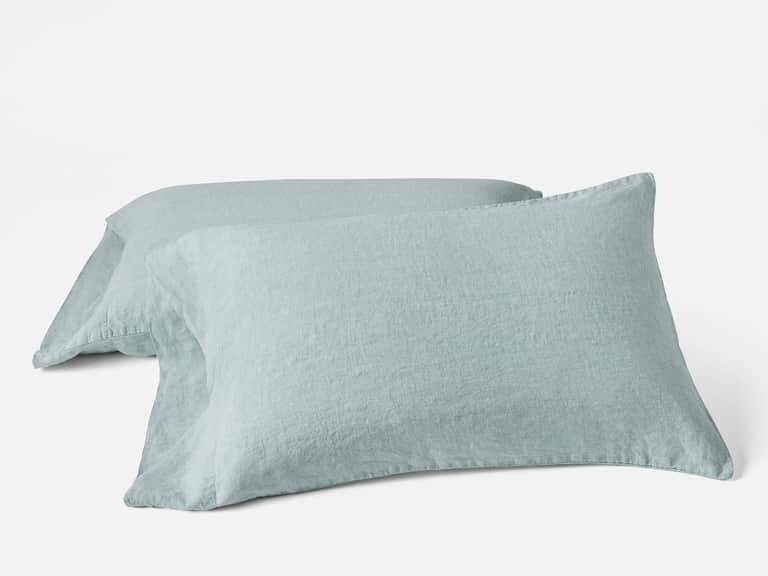
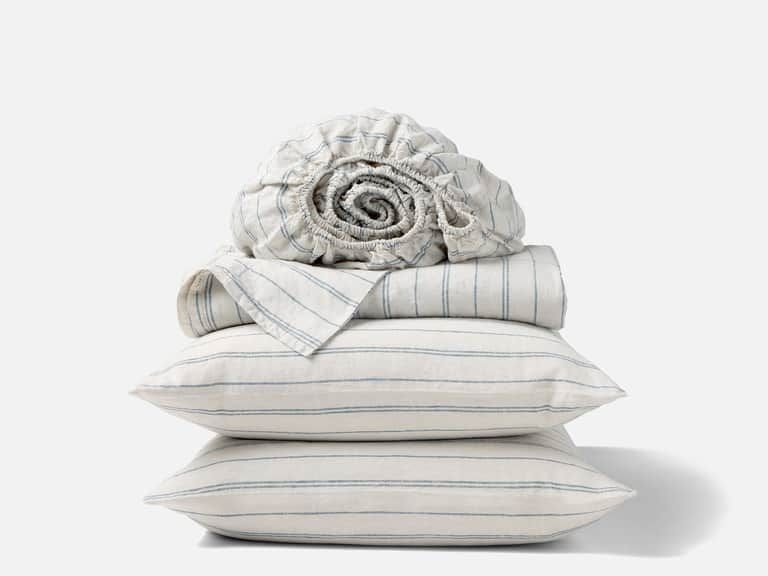
Images displayed are representative of the products featured above and styled in editorial contexts to evoke finishing sensibilities. The Organic Relaxed Linen Sheet Set image is included here to illustrate the tactile finish discussed.
Glossary of finishing terms
To deepen your understanding, here is a concise glossary of finishing terms you’ll encounter when exploring linen brands and textiles:
- Stone-washed: A process that softens linen fibers for immediate comfort and a relaxed hand.
- Hemming: Edge finishing that reinforces fabric ends and creates a clean line.
- Surface finish: Treatments like softeners or calendaring that affect hand and sheen.
- Piece-dyed: A dyeing method applied to an entire fabric before sewing, yielding consistent color.
- GOTS certification: Global Organic Textile Standard ensuring organic fiber sourcing and responsible processing.
Conclusion: finishing as an editorial backbone of linen culture
Finishing is the quiet hero of linen—the invisible couture that makes a textile feel refined, durable, and timeless. It is a language spoken by brands and craftsmen alike, from the earliest flax to the modern studio. In the spirit of editorial elegance, this guide invites you to consider not just what linen is, but how it is finished, cared for, and cherished over the long arc of daily life.
As you curate your linen chapter, remember the three pillars of finishing: tactile richness (how it feels), functional durability (how it lasts), and editorial clarity (how well it communicates quality through care). The result is a sleeping space that reads as a living magazine—sophisticated, comforting, and endlessly reimagined through thoughtful finishing choices.