Blankets and quilts add warmth, texture, and a practical finishing layer to a bed. Coverlets and bedcovers are often lighter than comforters, making them useful for layering across changing seasons or adding coverage without substantial insulation. They coordinate with bedding such as sheets, pillows, and duvet covers while contributing to a comfortable, orderly sleep space.
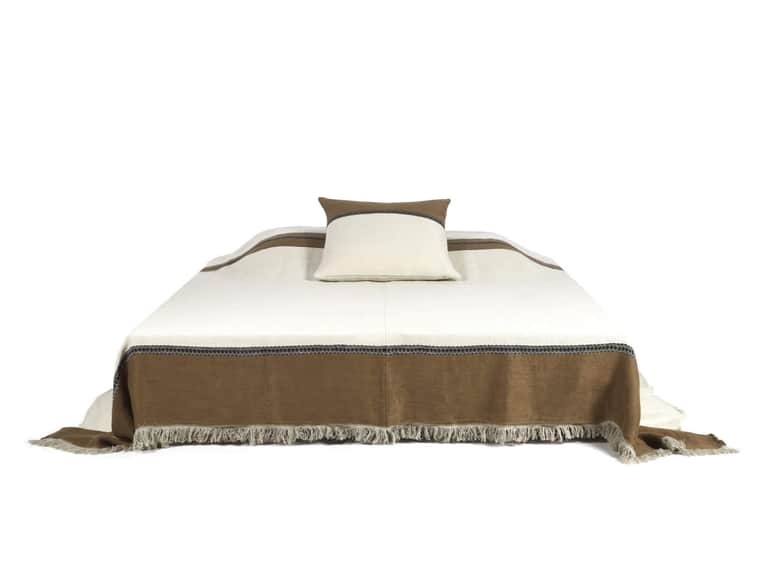
The Auburn Coverlet is a named option within this category, suitable as a decorative top layer or an additional source of light coverage. Coverlets can help protect underlying bedding from everyday use and provide a neat visual surface. Pairing one with sheets and pillows allows the bed’s layers to serve both functional and aesthetic purposes.
The Etienne Coverlet offers another coverlet format for layered bedding. Its role can include adding a modest degree of warmth, covering the main bed layers, and creating a consistent finish. Compared with bulkier comforters, a coverlet is generally easier to incorporate into a flexible bedding arrangement, particularly when temperatures or personal comfort preferences change.
The Tex Bedcover provides a bedcover option for covering and finishing a bed. Bedcovers are useful for keeping sheets and other bedding layers less exposed during the day, while adding a defined surface to the sleeping area. They can be used alongside pillows, duvet covers, or comforters according to the desired warmth and arrangement.
When considering blankets and quilts, useful factors include the intended level of warmth, bed dimensions, layering needs, and ease of care. A lightweight coverlet or bedcover may suit everyday coverage, while comforters typically provide more insulation. Matching these pieces with sheets, pillows, and duvet covers helps create bedding suited to both comfort and routine use.
 Bedding